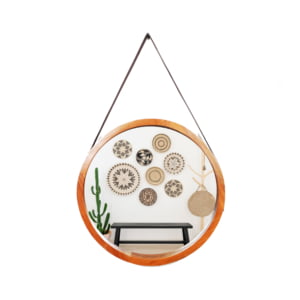
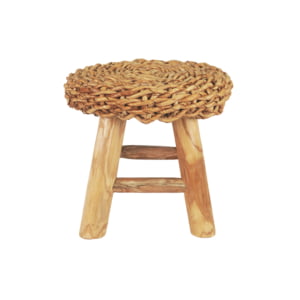
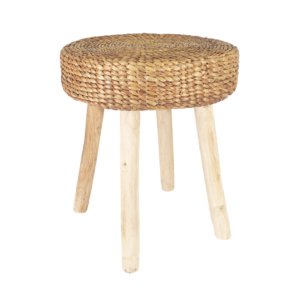
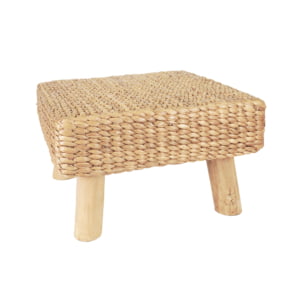
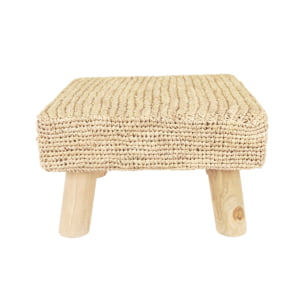



In Indonesia, wood-crafting isn’t simply a pastime or profession; it’s a living legacy, intricately woven into the archipelago’s cultural tapestry. For generations, skilled artisans have transformed humble timber into exquisite hand-crafted objects, imbuing them with stories, beliefs, and a timeless beauty that transcends trends. Let’s embark on a journey through the captivating world of Indonesian wood-crafting, exploring its materials, processes, products, and the remarkable women who keep this cherished art form alive.
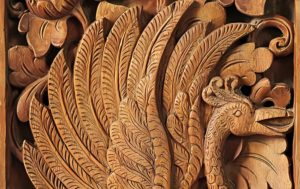 Nature’s Bounty: A Spectrum of Wood-crafting Materials
The diversity of Indonesian landscapes translates into a treasure trove of wood-crafting materials. Teak, renowned for its durability and rich golden hue, reigns supreme, gracing furniture and architectural elements with warmth and elegance. Mahogany, ebony, and rosewood add deeper, earthier tones, while lighter woods like bamboo and sengon lend themselves to intricate carvings and delicate objects. Local fruitwoods like jackfruit and durian offer unique textures and patterns, embodying the ingenuity of Indonesian artisans in utilizing every gift of the land.
Wood-crafting in Indonesia is a meticulous dance between tradition and innovation. The process often begins with hand-selecting fallen or sustainably harvested trees, ensuring respect for the natural world. Logs are then hewn and seasoned, using time-honored techniques passed down through generations. Adze knives, chisels, and rasps become extensions of the artisans’ hands, meticulously shaping the wood, often guided by intricate patterns and motifs inspired by local lore and religion. Sanding and polishing reveal the wood’s inherent beauty, while natural oils and waxes add a final touch of protection and luster.
Indonesian wood-crafting boasts a stunning array of hand-crafted products, each with its distinct charm and purpose. Intricately carved furniture, ranging from thrones fit for royalty to everyday chairs and tables, adorns homes with warmth and character. Decorative masks and wayang puppets come alive with vibrant colors and expressive features, telling ancient stories and invoking the realm of spirits. Functional objects like bowls, spoons, and utensils transform daily rituals into expressions of artistry. In villages nestled amidst emerald rice paddies, one might find artisans shaping traditional musical instruments like angklungs and gambangs, their melodies carrying the whispers of the wind and the rhythm of life.
Indonesian wood-crafting is not solely a male domain. Women play a vital role, injecting their unique perspectives and skills into this cherished art form. In Jepara, a renowned wood-carving center, generations of women have mastered the delicate art of “ukir jemparing,” creating intricate floral patterns reminiscent of jasmine flower buds. In Bali, women carve the “bebet,” elaborate shadow puppets used in sacred performances, imbuing them with a captivating mix of elegance and power. These stories of artistry and dedication are testaments to the enduring spirit of Indonesian women, weaving their narratives into the fabric of wood-crafting traditions.
As custodians of their craft and their environment, Indonesian wood-crafting communities understand the vital link between their art and the natural world. Sustainable practices are deeply ingrained, from carefully sourcing wood to utilizing every scrap. Many communities employ tree-planting initiatives and engage in agroforestry practices, creating a symbiotic relationship between wood production and environmental health. This dedication to sustainability ensures that the melody of wood-crafting will continue to resonate for generations to come.
Indonesian wood-crafting is more than just the creation of beautiful objects; it’s a vibrant expression of culture, community, and a deep respect for nature. From the skilled hands