



Banana stems unlock a world of traditional handcrafting techniques in Indonesia, a nation woven with a rich cultural tapestry. This captivating art not only reveals the ingenuity of Indonesian artisans but also emphasizes the sustainable utilization of natural resources.
 Materials and the Banana Stem Crafting Process
Banana stems, often considered agricultural waste, become the star material in this eco-friendly crafting process. Harvested from banana plants, the stems are carefully selected for their size and quality. The crafting process begins with the removal of outer layers to reveal the inner fibers. These fibers are then extracted and treated to enhance their durability.
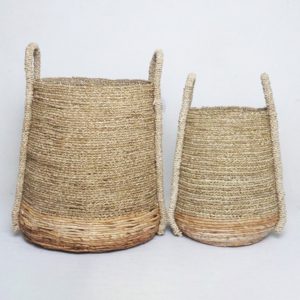
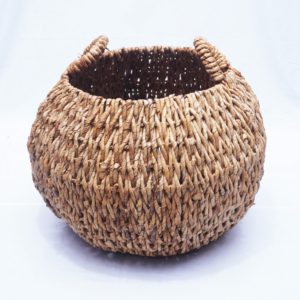
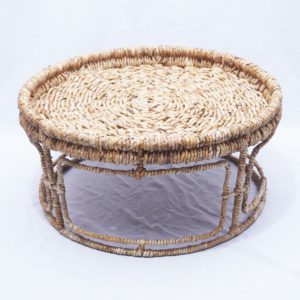
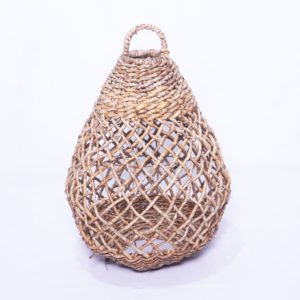
Indonesian artisans transform banana stems into an array of exquisite handcrafted products. From intricately woven baskets to durable home decor items, the versatility of banana stem crafting knows no bounds. The natural texture of the fibers adds a rustic charm to each creation, making them unique and visually appealing.
Several regions in Indonesia have emerged as hubs for banana stem handcrafting. Central Java, for instance, is renowned for its skilled artisans who have mastered the art of transforming banana stems into functional and decorative items. Bali, with its vibrant artistic community, also plays a pivotal role in promoting this sustainable craft.
A noteworthy aspect of banana stem handcrafting is the significant involvement of women artisans. Across Indonesia, many women have embraced this traditional craft, turning it into a source of livelihood. Their stories reflect resilience, creativity, and a deep connection to their cultural heritage.
One such artisan is Ibu Siti, a skilled craftswoman from Yogyakarta, who has been weaving banana stem products for over two decades. Her intricate designs have gained recognition both locally and internationally, showcasing the talent and dedication of Indonesian women in preserving traditional crafts.
Banana stem handcrafting aligns seamlessly with the principles of sustainability. By repurposing banana stems that would otherwise be discarded, artisans contribute to waste reduction and promote environmental consciousness. The process also involves minimal use of additional resources, making it a green alternative to conventional crafting methods.
As consumers increasingly seek sustainable options, the demand for banana stem handcrafted products continues to rise. This not only supports the livelihoods of local artisans but also fosters a more sustainable approach to production and consumption. By choosing these handmade treasures, individuals contribute to the preservation of traditional crafts and the well-being of our planet.
In conclusion, the art of crafting with banana stems in Indonesia is a testament to the nation’s cultural richness, the resourcefulness of its people, and a commitment to sustainable practices. As we celebrate the creativity of Indonesian artisans, let us also recognize the profound impact of their work on both local communities and the environment.