

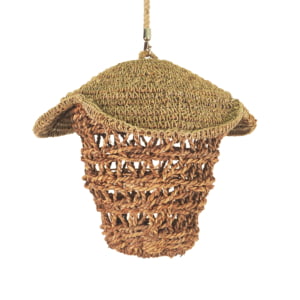
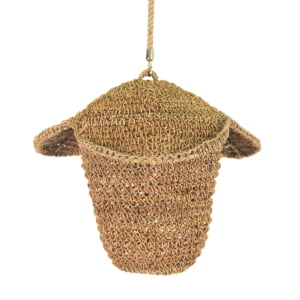




Agel, derived from the leaves of the gebang palm (Corypha gebanga), is a natural fiber deeply rooted in Indonesian craftsmanship. The gebang palm thrives in Indonesia’s humid climate, making it an abundant and sustainable resource for artisans. Agel handicrafts display intricate weaving techniques and natural beauty, contributing to Indonesia’s rich cultural heritage.
Where Agel Begins
The gebang palm thrives in tropical conditions, primarily in swampy areas and along riverbanks across Indonesia. Its distinctive fan-shaped leaves are crucial for producing agel fiber. Harvesting occurs when the leaves mature, turning a yellowish hue. Farmers carefully cut the leaves without damaging the palm, ensuring future harvests.
The Transformation from Leaf to Fiber
The Artistry of Agel Weaving
The art of agel weaving has been passed down through generations of Indonesian artisans. They employ various techniques to create exquisite products:
Beyond Beauty
Agel handicrafts hold both cultural and economic significance in Indonesia. They:
Agel handicrafts embody the vibrant creativity and ingenuity of Indonesian artisans. From its humble origins in the gebang palm to its transformation into beautiful and functional pieces, agel holds a significant place in Indonesia’s artistic and economic landscape.